
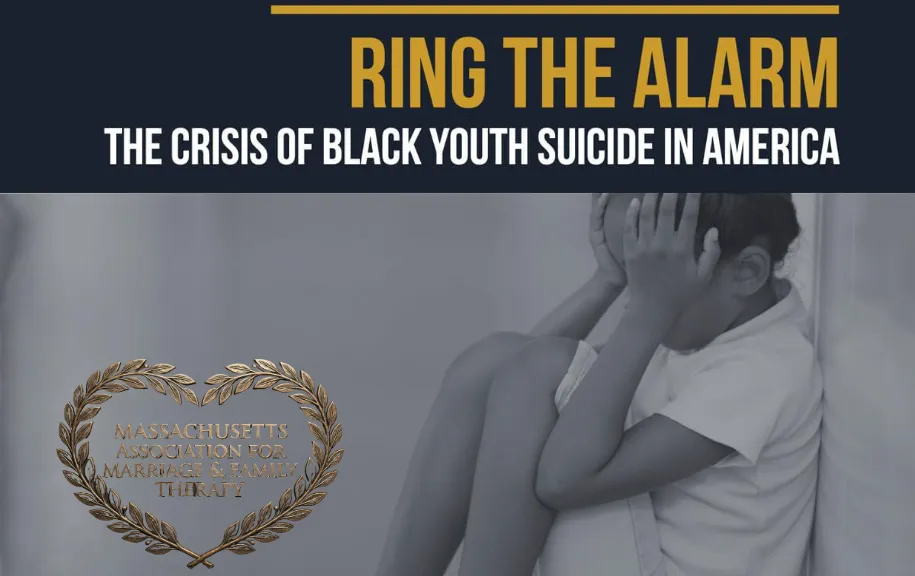
In recent years, suicidality which encompasses suicidal thoughts, behaviors, and tendencies has become an alarming mental health issue among Black youth in the United States. This growing concern extends beyond statistics; it highlights a critical need to address the well-being of young Black individuals who are often underserved by social and healthcare systems.
Alarming Increases in Suicide Rates
Data shows a significant rise in suicide rates among Black youth. Between 2018 and 2021, suicide among individuals aged 10–24 increased by approximately 37%, one of the highest growth rates across racial groups. Even more concerning, studies indicate that Black children aged 5–12 are twice as likely to attempt suicide compared to their White peers, signaling that mental health struggles begin at a much younger age than commonly perceived. Suicide prevention for Black youth.
This upward trend underscores the urgency for targeted interventions and culturally informed support systems.
Complex and Intersecting Risk Factors
Black youth suicidality is not driven by a single cause; rather, it emerges from a complex interplay of social, psychological, and structural factors. Experiences of direct and systemic racism are particularly influential, often fostering feelings of hopelessness, marginalization, and emotional distress.
Limited access to culturally competent mental health services further exacerbates the issue. Many Black adolescents face barriers due to stigma, lack of community support, or misdiagnosis by healthcare providers. Moreover, factors such as economic stress, exposure to community violence, family conflict, and childhood trauma compound emotional vulnerability.
These overlapping influences illustrate that suicidality is not merely a mental health concern but also a societal challenge requiring comprehensive, multi-level solutions.
Protective Factors and Pathways to Resilience
Despite these alarming trends, research highlights several protective factors that can mitigate risk. Strong family support, community engagement, and positive cultural identity have proven effective in reducing suicidal tendencies among Black youth.
School-based programs, parental involvement initiatives, and emotional literacy education are key strategies for fostering resilience. Additionally, spiritual support and mentorship opportunities offer meaningful guidance and hope for at-risk adolescents. These interventions demonstrate that even in high-risk environments, positive influence and support can substantially improve mental health outcomes.
Community-Led and Policy-Driven Solutions
Organizations like the Substance Abuse and Mental Health Services Administration (SAMHSA) have launched prevention initiatives specifically for Black youth, focusing on collaboration across sectors, awareness campaigns, and culturally sensitive mental health training. Policy-driven approaches that address inequities in access to care are equally essential.
By combining grassroots community efforts with systemic policy reforms, society can create environments where Black youth feel seen, supported, and empowered to seek help without fear of stigma or marginalization.
Looking Toward a Healthier Future
Addressing suicidality among Black youth is not simply about reducing statistics; it is about affirming lives, nurturing hope, and promoting equity in mental health care. Through awareness, culturally competent interventions, and community-driven support, it is possible to build a future where every young person, regardless of race, has access to the guidance and care they need to thrive.
Investing in the mental health of Black youth today ensures a stronger, more resilient generation tomorrow.

Leave a Reply