
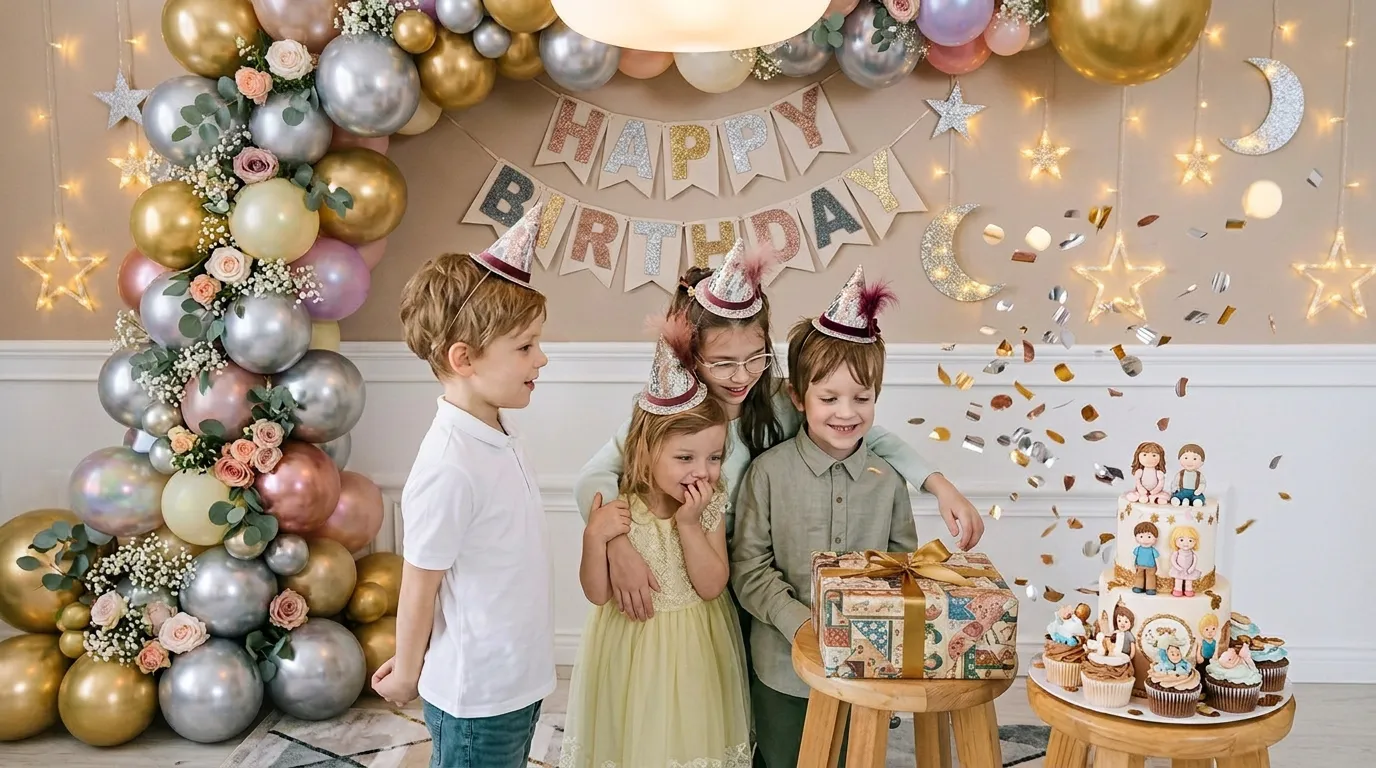
Happiness for children, does not depend on expensive toys or luxury items. Parents can create deep joy through simple actions, small gifts, and meaningful attention. When parents understand how to make children happy, they build stronger emotional bonds and support healthy development.
Small Gifts That Carry Big Meaning
Parents can make children smile by giving small but thoughtful gifts. A simple toy, a favorite snack, or a storybook can light up a child’s day. The price does not define the value. Instead, the feeling behind the gift matters most.
When parents surprise children with small presents, they show love and care. Children then feel appreciated and valued. This positive emotion helps build confidence and emotional security. Over time, children learn that happiness comes from attention, not material value.
Spend Quality Time Every Day
Children feel happiest when parents spend real time with them. Parents can play games, read stories, or talk about daily activities. These simple moments create strong emotional connections.
For example, a short evening walk or a bedtime story can mean more to a child than an expensive gift. Parents who stay present and engaged help children feel safe and loved. As a result, children grow with stronger emotional stability and trust.
Give Praise and Positive Support
Parents should actively praise children for their efforts. A simple phrase like “you did great” or “I’m proud of you” boosts a child’s confidence. Children respond strongly to encouragement.
When parents recognize small achievements, children feel motivated to keep improving. Positive support also helps children develop a healthy self-image. This approach strengthens their happiness from within, not just from external rewards.
Create Simple but Joyful Moments
Families can build happiness through simple activities. Parents can plan indoor picnics, cook together, or watch movies as a family. These moments do not require high costs but create lasting memories.
Children often remember shared laughter more than material gifts. Therefore, parents should focus on experiences that bring everyone together. These shared activities strengthen family bonds and increase emotional warmth.
Teach Gratitude from an Early Age
Parents play an important role in teaching gratitude. They can guide children to appreciate food, toys, and family time. When children learn gratitude, they start to value what they already have.
Grateful children often feel more satisfied and less demanding. This mindset helps them enjoy life in a simple and healthy way. Parents who teach gratitude also help children build emotional maturity.
Conclusion
Parents do not need expensive gifts to make children happy. They can use small gifts, quality time, encouragement, and simple family moments to create lasting joy. When parents stay present and show consistent love, children feel truly happy and secure. True happiness grows from attention, care, and meaningful connection every day.

Leave a Reply