
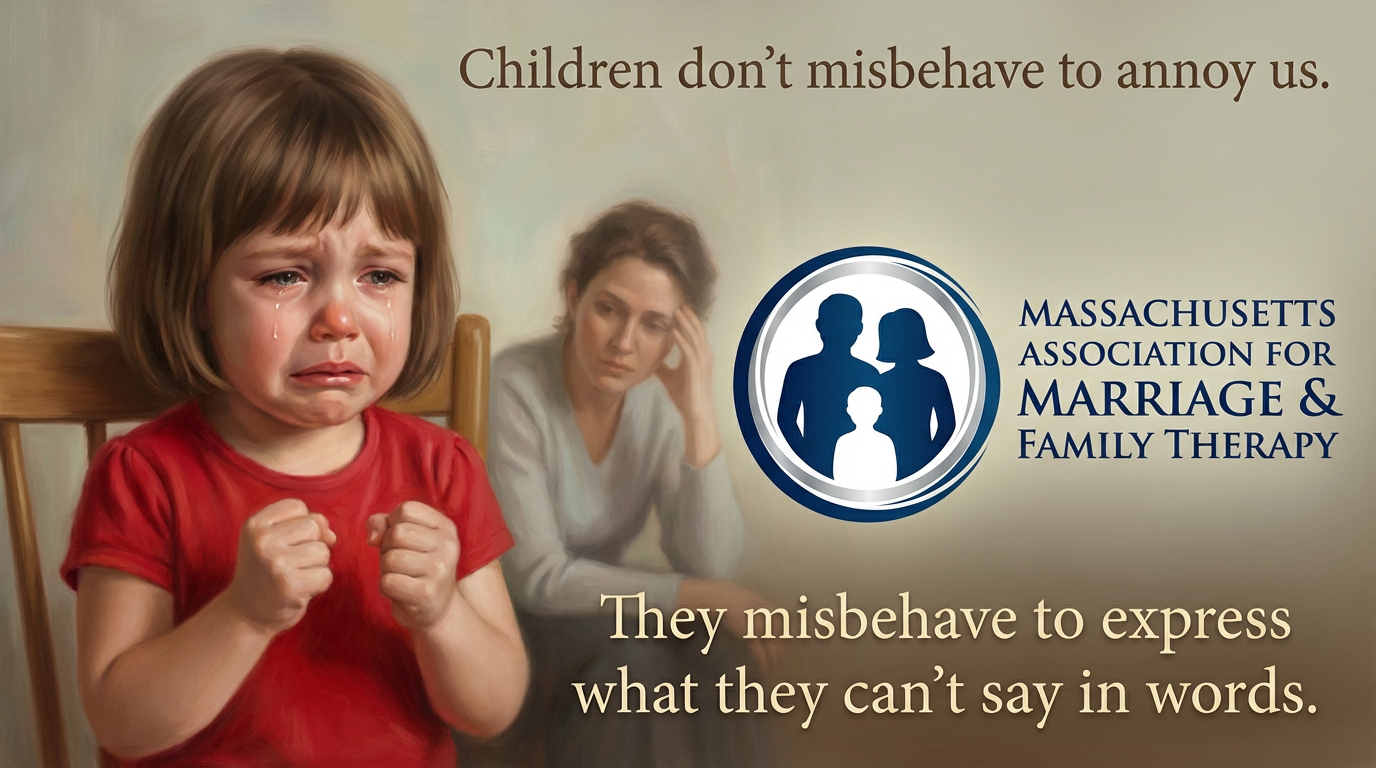
Dealing with childrens misbehavior, during adolescence can be challenging for every parent. At this stage, teenagers start exploring their identity, testing boundaries, and sometimes acting impulsively. However, with the right approach, misbehavior can be minimized and even turned into an opportunity for children to learn responsibility. Here are effective strategies to handle misbehavior as children grow up.
Build Open Communication
The first step is creating a comfortable and open communication environment. Teenagers often feel misunderstood by their parents. By listening without judgment, parents can understand the root causes of misbehavior. Use open-ended questions such as, “What made you feel upset today?” or “How do you feel about what happened?” This approach not only makes children feel valued but also opens the door to discussions about right and wrong behavior.
Set Clear Boundaries
Teenagers need boundaries to understand the consequences of their actions. These boundaries should be clear, consistent, and fair. For example, set rules regarding curfew, gadget usage, or household responsibilities. Always explain the reasons behind each rule, so children understand that boundaries are not merely restrictions but forms of protection and guidance.
Examples of Clear Boundaries and Their Purpose
| Boundary/Rule | Purpose/Reason |
|---|---|
| Curfew | Ensures safety and teaches time management |
| Limited screen time | Encourages balanced daily activities |
| Household responsibilities | Develops responsibility and accountability |
| Respectful communication | Promotes empathy and reduces conflicts |
Use Positive Reinforcement
Instead of focusing solely on punishment, positive reinforcement is more effective. Praise your child when they do something good or show improvement. For example, if a teenager completes homework without being reminded, offer sincere recognition. This builds self-confidence and intrinsic motivation to act responsibly rather than acting out of fear of punishment.
Involve Children in Positive Activities
Children with too much unstructured free time tend to engage in risky or misbehaving activities. Encourage them to participate in sports, arts, or social programs. These activities not only channel their energy in a healthy way but also strengthen responsibility, teamwork, and discipline. effective parenting strategies.
Positive Activities and Their Benefits
| Activity Type | Example | Benefit to Child |
|---|---|---|
| Sports | Soccer, swimming, martial arts | Builds discipline, teamwork, and energy management |
| Arts & Creativity | Painting, music, drama | Enhances emotional expression and focus |
| Volunteering | Community service, charity work | Fosters empathy, responsibility, and social skills |
Be a Role Model
Children often imitate their parents’ behavior. Therefore, being a role model is crucial. Show them how to manage emotions, solve problems, and communicate effectively. When children witness positive behavior at home, they are more likely to replicate it in their daily life.
Seek Professional Help if Needed
If misbehavior escalates into high-risk behavior or becomes difficult to control, don’t hesitate to seek professional guidance. Counselors, child psychologists, or school guidance counselors can provide practical strategies tailored to your child. Early intervention can prevent issues from becoming more serious later on.
Conclusion
Handling misbehavior during adolescence requires patience, open communication, and consistent strategies. By building a trusting relationship, setting clear boundaries, using positive reinforcement, involving children in constructive activities, being a role model, and seeking professional support if necessary, parents can guide their children toward responsible maturity. Remember, adolescence is a learning phase, and every misbehavior is an opportunity for growth and development. childrens misbehavior.

Leave a Reply