
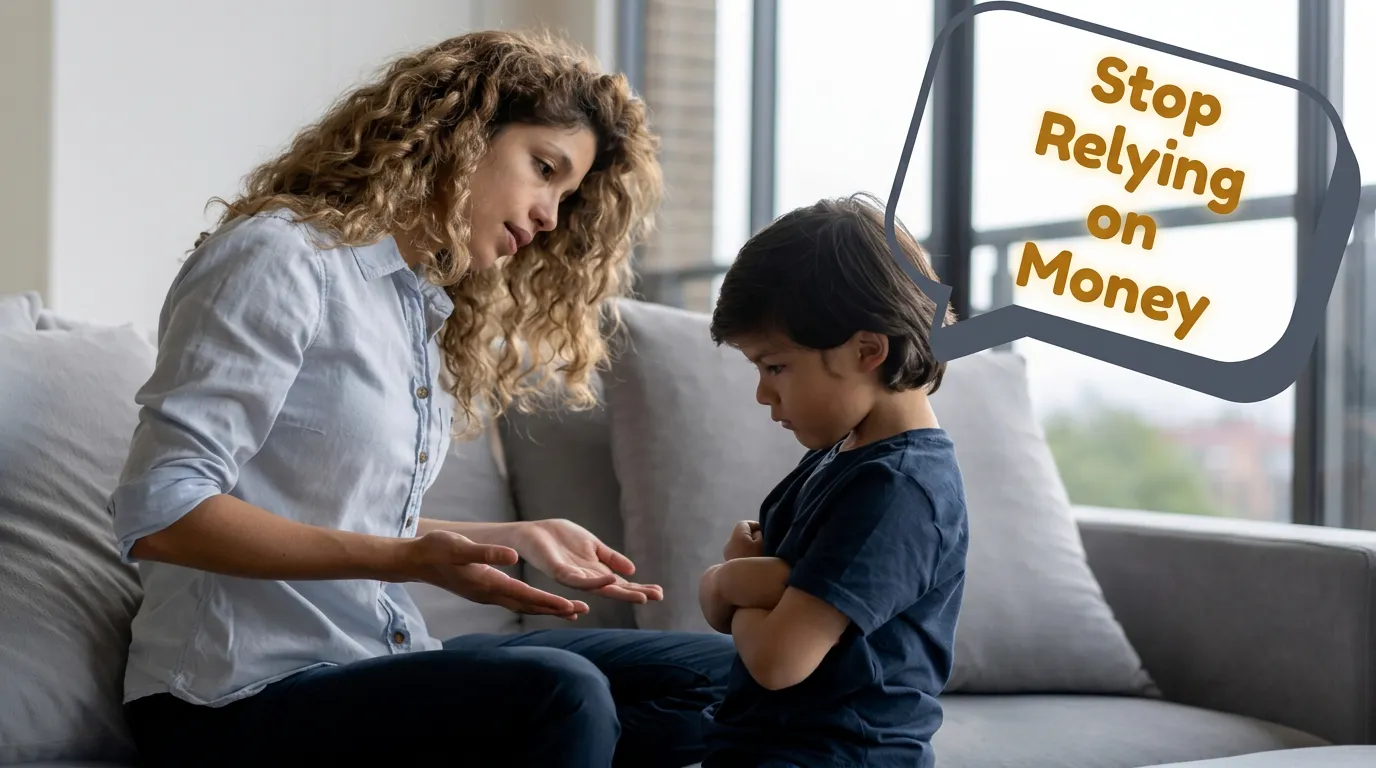
Build Strong Communication
Effective child guidance starts with clear and open communication. Parents must talk with their children regularly and listen carefully to their thoughts. When parents listen actively, children feel valued and respected. This approach strengthens trust and creates a healthy relationship. As a result, children respond better to guidance without needing financial rewards. Good communication also helps parents understand problems early and solve them before they grow bigger. guiding children without money.
Lead by Example
Children observe everything their parents do. They copy behavior more than they follow advice. Therefore, parents must model positive actions every day. Show honesty, discipline, patience, and responsibility in daily life. When children see consistent behavior, they learn strong values naturally. Instead of offering money for good behavior, demonstrate the behavior you expect. This method teaches life skills and builds character in a lasting way.
Use Praise and Emotional Support
Money does not create long term motivation. Instead, sincere praise builds confidence and self respect. When your child completes a task or shows improvement, give clear appreciation. Say exactly what they did well. In addition, offer hugs, smiles, and quality time. These simple actions strengthen emotional bonds. Children feel motivated when they receive attention and encouragement. Over time, they learn to value effort rather than rewards.
Teach Responsibility Early
Parents must teach responsibility from an early age. Give children simple tasks that match their age. For example, ask them to tidy their room, organize their books, or help with small household duties. When they complete tasks, recognize their effort. This process builds independence and discipline. Children understand that responsibility forms part of daily life. Therefore, they do not expect money for every small action.
Manage Behavior with Guidance, Not Money
Some parents use money to stop negative behavior. However, this method creates short term results only. Instead, explain the consequences of actions clearly. Set consistent rules and apply them fairly. When children break rules, discuss the mistake and guide them toward better choices. This approach teaches accountability. It also helps children develop problem solving skills. Through guidance and consistency, children learn self control.
Spend Quality Time Together
Children need attention more than money. Busy schedules often reduce family interaction. However, parents can improve relationships by spending meaningful time together. Play games, read books, cook meals, or talk about daily experiences. These activities build strong emotional connections. When children feel close to their parents, they listen more carefully and follow instructions more willingly. Quality time strengthens trust and improves behavior naturally.
Encourage Intrinsic Motivation
Parents should focus on building internal motivation. Teach children to feel proud of their achievements. Help them understand the value of learning, kindness, and effort. When children develop intrinsic motivation, they act well because they want to, not because they expect payment. This mindset supports long term success in school, relationships, and future careers.
Conclusion
Guiding children does not require constant financial rewards. Parents can achieve better results through communication, example, praise, responsibility, discipline, and quality time. These strategies create strong character and healthy relationships. When parents stop relying on money, they build deeper values that last for life. Effective child guidance depends on consistency, patience, and love, not financial incentives.

Leave a Reply