
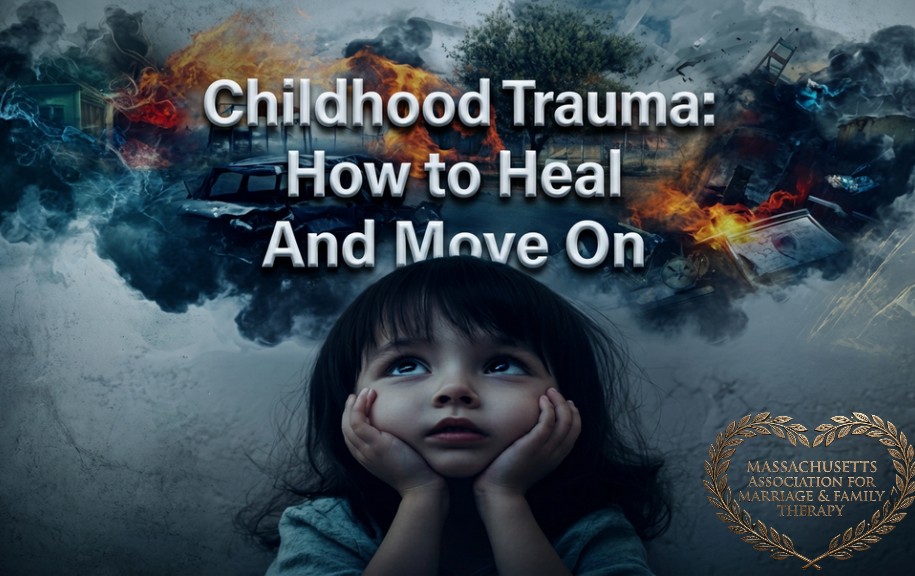
Healing violence trauma in children, Experiencing violence can deeply affect young children emotionally and psychologically. Children who face physical, verbal, or emotional abuse often show fear, anxiety, or social withdrawal. Therefore, healing trauma requires patience, empathy, and proven strategies that actively support the child’s recovery.
Understanding a Child’s Trauma
First, parents and caregivers must understand how trauma affects children. Young children often cannot express their feelings with words. Consequently, they may show fear through aggressive behavior, withdrawal, or nightmares. By carefully observing these signs, parents can act quickly and provide the support children need.
Creating a Safe and Stable Environment
Creating a safe environment forms the foundation for healing. Children need to feel protected from physical and emotional harm. Therefore, maintaining consistent routines, communicating openly, and showing stable love help children feel secure. As a result, children gradually rebuild trust in the world around them.
Encouraging Emotional Expression Through Play
Children often struggle to express emotions after trauma. Therefore, engaging in creative activities such as drawing, role-playing, or storytelling helps them release feelings that are difficult to verbalize. Parents should guide without judging or forcing, simply listening attentively. This approach enables children to recognize, manage, and understand their emotions effectively.
Seeking Professional Therapy for Effective Healing
In many cases, professional therapy proves essential. Child psychologists or trauma therapists use methods like play therapy, cognitive-behavioral therapy, and EMDR (Eye Movement Desensitization and Reprocessing). These therapies help children process traumatic experiences safely while building healthy coping skills.
Supporting Healing with Love and Patience
Healing trauma takes time. Children may show slow progress or temporary setbacks. Therefore, consistent support from parents, caregivers, and teachers plays a crucial role. Praising small achievements, maintaining emotional presence, and demonstrating reliability strengthen a child’s sense of security and resilience.
Preventing Future Trauma
Alongside healing existing trauma, preventing new trauma remains important. Teaching children about personal boundaries, self-protection, and recognizing danger equips them for the future. Early social and emotional education strengthens resilience against stress and violence later in life. therapy for child trauma.
Conclusion: Empowering Children to Thrive
Healing violence trauma in young children involves understanding, providing a safe environment, offering emotional support, and seeking professional guidance. By following these steps, children regain confidence, emotional stability, and the ability to thrive. Parents and caregivers serve as the key pillars in this essential healing journey.

Leave a Reply