
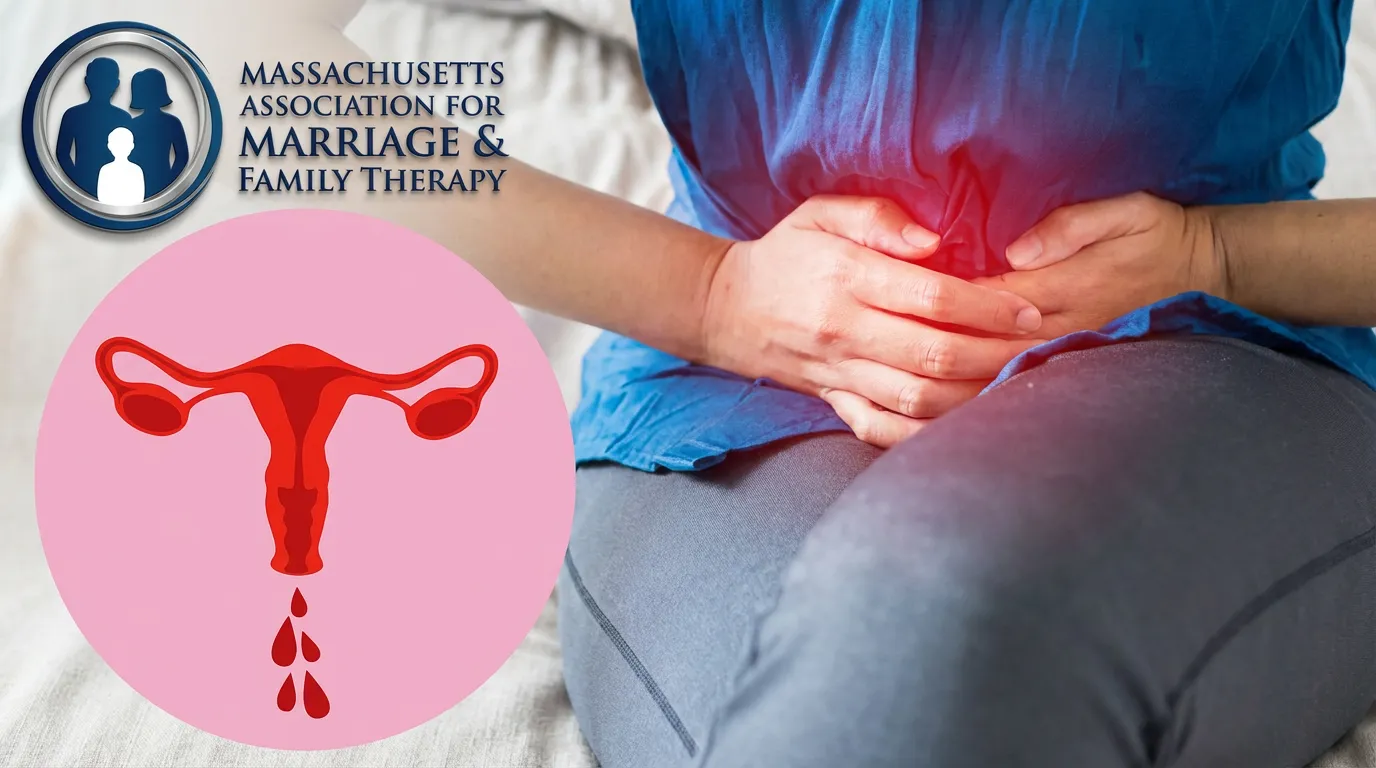
Heavy menstrual bleeding, also known as menorrhagia, occurs when a woman experiences excessive or prolonged menstrual flow. This condition can disrupt daily activities, reduce energy levels, and affect emotional well-being. Therefore, understanding the causes and applying the right solutions becomes essential to maintain overall health and quality of life.
Recognizing the Symptoms Early
First, identify the signs of heavy menstrual bleeding. Women may need to change sanitary pads every one to two hours, experience periods lasting longer than seven days, notice large blood clots, or feel extreme fatigue. In addition, dizziness and symptoms of anemia often appear due to significant blood loss. By recognizing these warning signs early, women can take immediate action and prevent complications.
Common Causes of Heavy Periods
Several factors can trigger excessive menstrual bleeding. Hormonal imbalance, especially irregular levels of estrogen and progesterone, often plays a major role. Furthermore, conditions such as uterine fibroids, polyps, and endometriosis may increase menstrual flow. Certain birth control methods, blood clotting disorders, sudden weight changes, and high stress levels can also contribute to this problem. Because each case differs, proper medical evaluation remains important.
Practical Solutions to Manage Heavy Menstrual Bleeding
After identifying possible causes, apply the following solutions to improve the condition:
1. Seek Medical Consultation
Schedule an appointment with a healthcare professional as soon as symptoms appear. Doctors can perform physical examinations, ultrasound scans, or blood tests to determine the exact cause. Early diagnosis helps prevent further complications and ensures accurate treatment.
2. Follow Prescribed Treatment
Doctors may recommend hormonal therapy to regulate menstrual cycles. In some cases, they may prescribe anti-inflammatory medications or drugs that reduce bleeding. Always follow medical instructions to achieve optimal results.
3. Improve Nutritional Intake
Support the body by consuming iron-rich foods such as spinach, red meat, liver, beans, and fortified cereals. Additionally, increase vitamin C intake to enhance iron absorption. A balanced diet strengthens the immune system and reduces the risk of anemia.
4. Prioritize Rest and Recovery
Heavy bleeding can lower energy levels significantly. Therefore, ensure adequate sleep and avoid overexertion during menstruation. Proper rest helps the body recover and maintain stability.
5. Manage Stress Effectively
Stress often affects hormonal balance. As a result, practice relaxation techniques such as meditation, breathing exercises, light exercise, or yoga. Consistent stress management supports better hormonal regulation and overall well-being.
When to Seek Immediate Medical Help
Contact a healthcare provider immediately if severe symptoms occur, such as extreme weakness, rapid heartbeat, shortness of breath, or fainting. These signs may indicate severe anemia or another serious health condition that requires urgent attention.
Conclusion
Heavy menstrual bleeding, requires serious attention and proper management. By recognizing symptoms early, consulting medical professionals, and adopting healthy lifestyle changes, women can control this condition effectively. Moreover, emotional support from family members, especially a partner, plays an important role in recovery and comfort.

Leave a Reply