
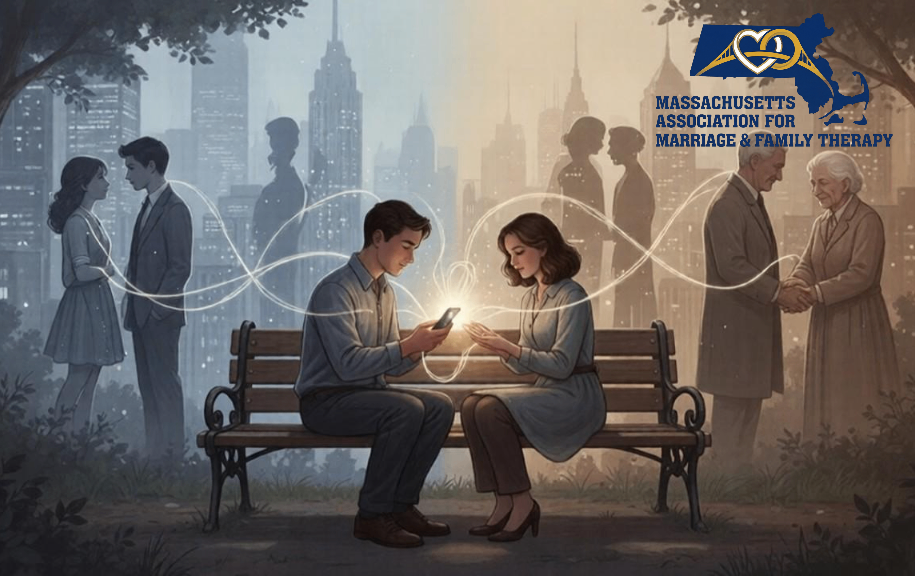
Rethinking Tradition in a Digital Era
Modern dating, culture moves fast. Dating apps, social media, and instant messaging dominate how people connect and build relationships. Yet, amid this rapid change, arranged marriage continues to spark curiosity and debate. Instead of dismissing it as outdated, many individuals now revisit the concept with fresh perspectives. Modern arranged marriage blends tradition with autonomy, and this evolution raises a compelling question: Modern dating why not consider it?
Choice and Consent Take Center Stage
People often assume arranged marriage removes personal choice. In reality, modern arrangements emphasize individual consent and active participation. Families or matchmakers introduce potential partners, but individuals evaluate compatibility, communicate openly, and decide for themselves. This process encourages thoughtful decision-making rather than impulsive commitment. Furthermore, clear expectations from the start help both parties align their intentions. As a result, participants gain both guidance and freedom a balance many modern relationships struggle to achieve.
Prioritizing Compatibility Over Chance
Romantic chemistry often drives spontaneous relationships, yet compatibility sustains long-term commitment. Arranged introductions typically focus on shared values, educational background, lifestyle goals, and personal ambitions. This structured approach helps individuals identify meaningful alignment early on. Consequently, couples build relationships on practical understanding rather than uncertainty. When partners recognize common priorities from the beginning, they strengthen their chances of navigating challenges successfully.
Family Support as a Relationship Asset
Marriage often connects not only two people but also their social environments. Constructive family involvement can strengthen emotional security and provide reliable support networks. Families offer perspective, guidance, and conflict resolution when challenges arise. Rather than restricting independence, positive involvement fosters stability and shared accountability. Additionally, strong social support reduces stress and builds resilience within the partnership. In this way, arranged marriage reinforces community ties while preserving personal agency. modern arranged marriage.
Love as a Growing Experience
Critics frequently claim arranged marriage lacks emotional depth. However, love does not follow a single timeline or formula. Many couples develop affection through shared experiences, trust, and cooperation over time. Modern arrangements frequently include a courtship phase, allowing partners to explore emotional connection before commitment. Through meaningful interaction, individuals nurture intimacy organically. Therefore, arranged marriage can cultivate genuine love rather than replace it.
Technology Reshapes the Process
Technology has transformed arranged marriage practices significantly. Digital platforms expand access to potential matches beyond geographic limitations. Video calls, detailed profiles, and transparent communication tools empower participants to assess compatibility thoroughly. These innovations enhance autonomy and awareness while preserving cultural intentions. As a result, arranged marriage evolves alongside technological progress instead of resisting it.
Conclusion: A Modern Option Worth Considering
Arranged marriage no longer belongs solely to tradition it adapts, evolves, and integrates with modern relationship expectations. By promoting intentional choice, compatibility, and strong support systems, it offers a meaningful alternative to unpredictable dating culture. While it may not appeal to everyone, it encourages reflection on how people define connection and commitment. Ultimately, keeping an open mind allows individuals to explore diverse paths toward lasting partnership. cultural marriage traditions.
Leave a Reply