
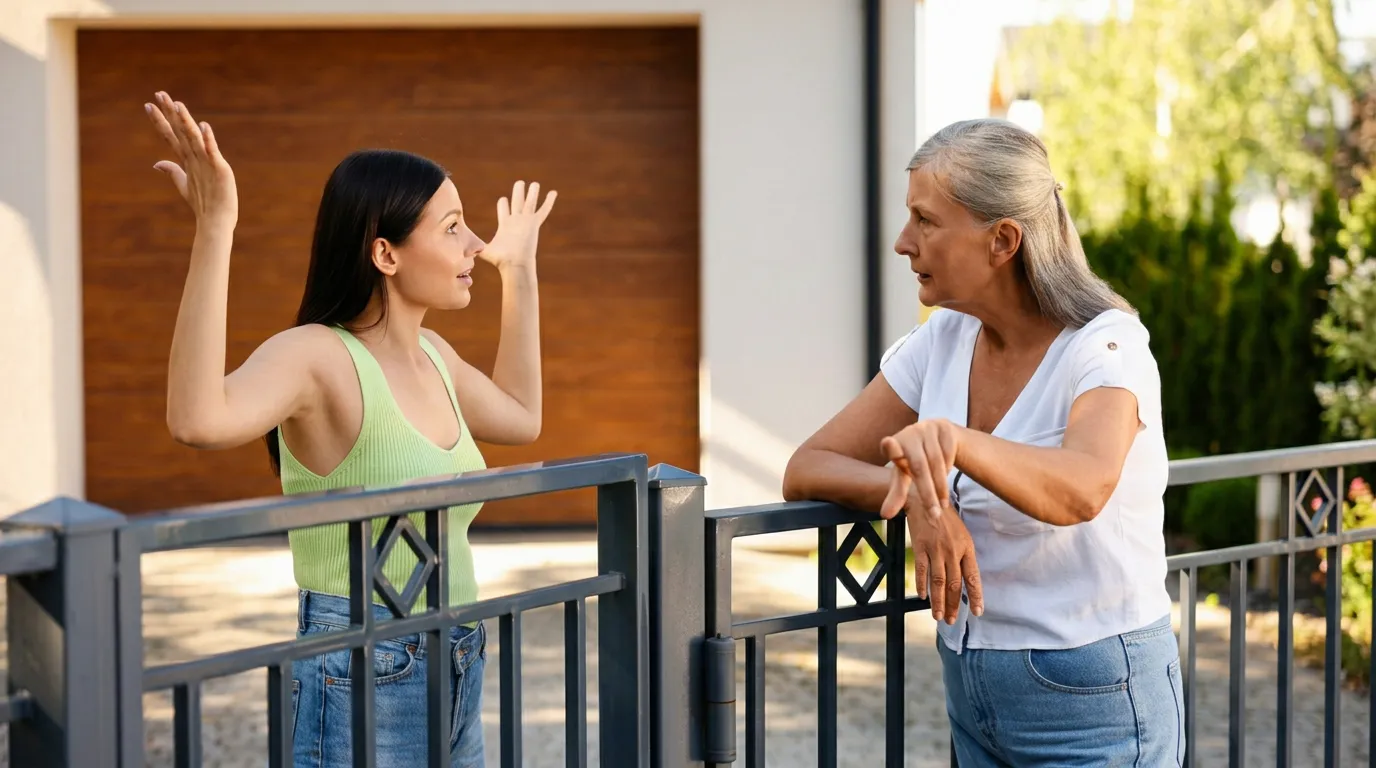
Disagreements over road crossings or shared pathways with neighbors can quickly escalate. Often, one party insists on their viewpoint, ignoring logic or fairness. Such situations can feel frustrating, but handling them with strategy, patience, and diplomacy can prevent long-term conflicts and foster neighborhood harmony. neighborhood disputes.
Understand the Issue Clearly
The first step in resolving any dispute is understanding it thoroughly. Many conflicts stem from miscommunication. Take time to observe the crossing issue carefully: is it a matter of safety, convenience, or property boundaries? By identifying the root cause, you avoid reacting emotionally. Clear observation provides a foundation for a rational discussion, reducing the risk of unnecessary escalation.
Communicate Calmly and Respectfully
When addressing a neighbor who insists on being “right,” tone matters more than words. Initiate a calm conversation and focus on facts rather than accusations. Use statements like, “I noticed that the crossing can be dangerous during peak hours,” rather than “You are wrong about this path.” Respectful communication opens the door for compromise and signals that your goal is mutual safety and benefit, not winning an argument.
Offer Practical Solutions
Moving beyond debate to problem-solving often requires creative compromises. Propose solutions that benefit both parties. For instance, if the dispute involves a shared driveway or crossing, suggest clear markings, signs, or even scheduling shared usage times. Highlighting mutual benefits, such as increased safety or improved traffic flow, can encourage a neighbor to consider your perspective without feeling attacked.
Involve a Neutral Mediator
Sometimes, discussions stall because emotions overshadow reason. In these cases, involving a neutral third party can help. Mediators can be other trusted neighbors, local community leaders, or professional conflict resolution services. A neutral party listens to both sides objectively and guides the conversation toward fair solutions, making it harder for anyone to cling to a biased viewpoint.
Keep Records and Legal Awareness
While diplomacy should always come first, maintaining records can protect your rights. Document unsafe conditions or previous attempts to discuss the issue. Understanding local regulations regarding road crossings, easements, and property lines empowers you to negotiate from a position of knowledge. Awareness of legal boundaries often encourages more cooperative behavior from neighbors who initially refuse compromise.
Focus on Long-Term Relationships
Winning a debate is temporary; maintaining peaceful relationships is lasting. Prioritize communication and mutual respect over proving who is right. Even if a neighbor initially resists compromise, consistently demonstrating fairness and patience often leads to gradual resolution. A calm, solution-focused approach prevents tension from festering and strengthens neighborhood bonds.
Conclusion
Disputes over road crossings with neighbors who insist on winning can be challenging, but they are not unsolvable. By understanding the problem, communicating respectfully, offering practical solutions, involving neutral mediators, and remaining aware of legal frameworks, you can resolve conflicts effectively. Above all, focusing on long-term relationships rather than immediate victories ensures a safer, more harmonious neighborhood for everyone. crossing issues.

Leave a Reply