
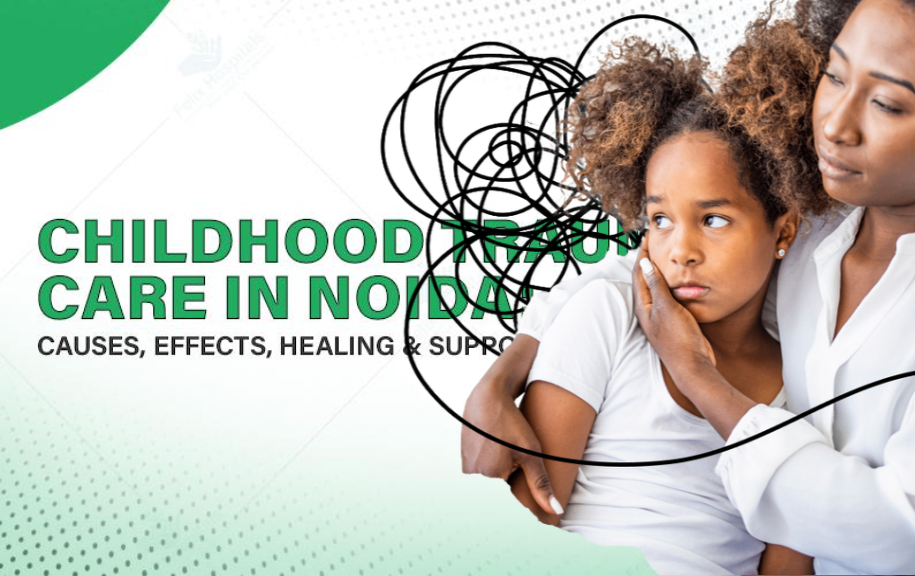
solutions for trauma in having children
Having a child is a dream for many couples, but traumatic experiences like miscarriage, pregnancy complications, or infertility struggles can leave deep emotional scars. Trauma affects mental health, confidence, and readiness to become a parent. The good news: trauma does not define your journey. You can heal and prepare to welcome your child with these practical solutions.
1. Acknowledge and Understand Your Trauma
The first step is to acknowledge your feelings. Ignoring or suppressing emotions often increases stress and anxiety. Recognize that sadness, fear, or worry is normal. By accepting these emotions, you take control of your healing process.
Learn about your specific situation, whether it involves miscarriage, fertility challenges, or pregnancy complications. Understanding the facts reduces uncertainty and empowers you to make informed decisions.
2. Seek Professional Support
Consulting a therapist or trauma specialist helps address emotional challenges effectively. Approaches like Cognitive Behavioral Therapy (CBT) or EMDR help reshape negative thoughts, reduce excessive fear, and restore confidence for parenthood.
Simultaneously, work closely with a healthcare provider or obstetrician. They provide accurate medical guidance, ensuring safe options and support tailored to your unique circumstances.
3. Build a Supportive Community
Sharing experiences with people who face similar challenges creates strength and motivation. Support groups and parenting communities offer practical tips, encouragement, and emotional comfort. Surrounding yourself with supportive peers accelerates healing and rebuilds confidence.
4. Practice Self-Care and Mindfulness
Self-care plays a key role in trauma recovery. Engage in exercise, meditation, journaling, or relaxation techniques to reduce stress and improve mental health. Mindfulness exercises help you stay present, preventing your mind from dwelling on past traumatic events.
Prioritize activities that restore your energy and boost emotional resilience. Small daily habits compound into significant improvements over time.
5. Take Gradual Steps Toward Parenthood
Once trauma is manageable, plan parenthood gradually and intentionally. Set realistic goals, discuss expectations with your partner, and follow a clear health plan. Step-by-step preparation creates a stable emotional environment, increasing your readiness to welcome a child. emotional recovery for future parents.
Conclusion
solutions for trauma in having children Trauma related to pregnancy or infertility challenges feels overwhelming, but it does not block your dream of becoming a parent. By acknowledging trauma, seeking professional help, building a support network, practicing self-care, and taking gradual steps, you can heal and prepare for parenthood.

Leave a Reply