
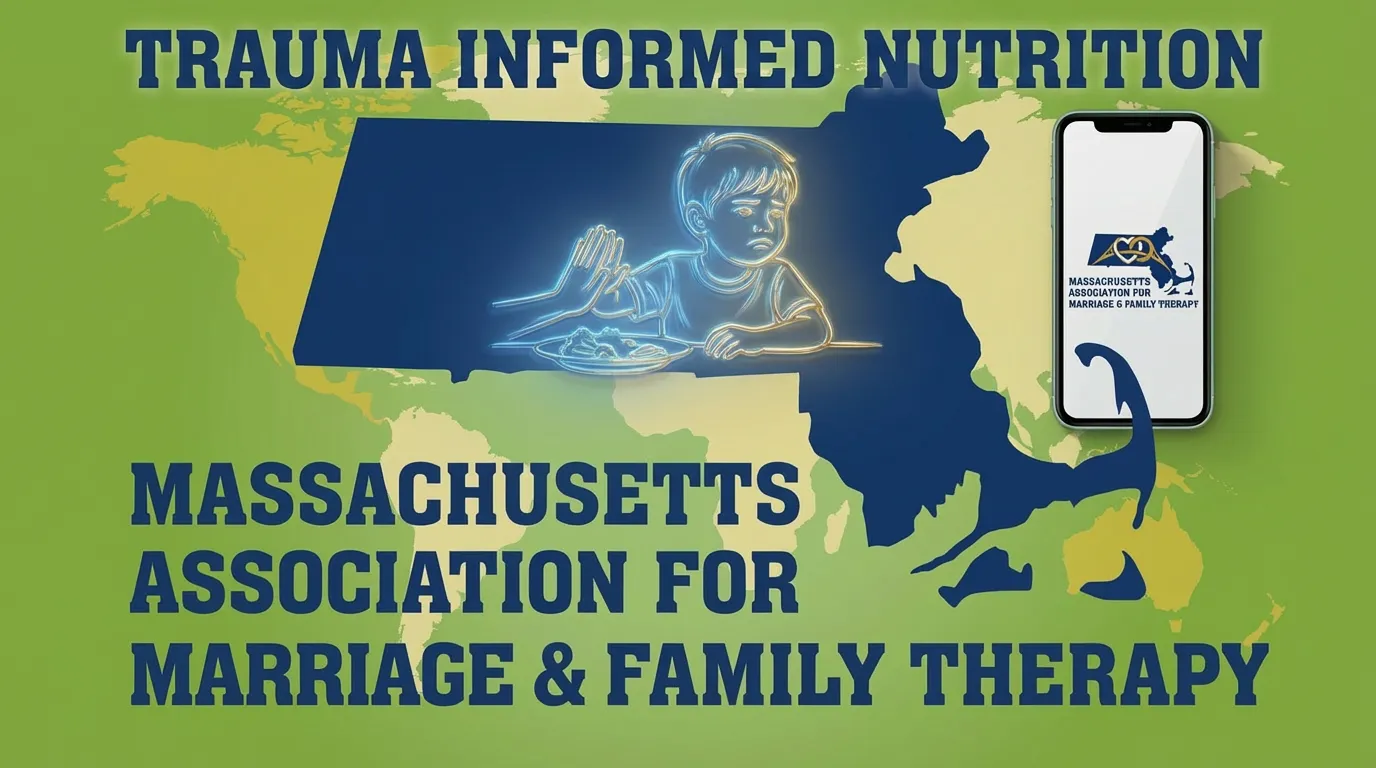
Trauma-informed nutrition, Food is often seen merely as a source of energy, yet in reality, it directly impacts the body, brain, and emotional well-being. Understanding the connection between nutrition, the nervous system, and trauma is therefore essential for holistic health.
Nutrition Directly Shapes the Nervous System
Nutrition plays a significant role in the functioning of the nervous system. For example, omega-3 fatty acids, B-complex vitamins, and magnesium help the body produce neurotransmitters that regulate mood, focus, and stress response. When the body lacks these nutrients, individuals may experience anxiety, depression, or sleep disturbances. Consequently, every meal we consume has the potential to shape our daily mental and emotional experiences.
Food as a Tool for Trauma Recovery
Food also supports the healing process for trauma. Trauma often triggers a chronic “fight or flight” response, keeping stress hormones elevated. As a result, digestion and nutrient absorption become less efficient. Trauma-informed care emphasizes understanding an individual’s unique experiences with trauma, including their eating patterns. By addressing nutritional needs and providing healthy food choices, the nervous system can calm, hormones can balance, and emotional stability can improve.
The Holistic Power of Nutrition
- Food goes beyond basic nutrients and plays a vital role in overall health.
- Antioxidant-rich foods, such as berries and leafy greens, protect nerve cells from oxidative stress.
- High-quality proteins, like fish and legumes, provide essential building blocks for neurotransmitters, helping regulate mood.
- Every bite we take has a tangible impact on both physical and mental well-being.
The Psychological Connection with Food
- Our relationship with food extends beyond its nutritional value.
- Individuals with a history of trauma may develop specific eating patterns, such as overeating or avoiding certain foods.
- Trauma-informed care offers a safe, non-judgmental approach to understanding these patterns.
- Effective strategies can balance the body’s needs and emotional well-being simultaneously.
Reframing the Meaning of Eating
- Recognizing that food is never just about food changes the way we view eating experiences.
- Food can serve as a tool for healing, a means of emotional regulation, and a foundation for long-term health.
- By combining proper nutrition, attention to the nervous system, and trauma-informed care, each meal becomes far more than mere sustenance.
Conclusion: Eating as a Path to Holistic Health
Nutrition and the nervous system, When we sit down to eat, we should remember that food carries more than just flavor. It has the potential to nourish the body, calm the mind, and support trauma recovery in meaningful ways. Therefore, every eating experience should be regarded as part of holistic health, encompassing the body, mind, and life experiences of each individual

Leave a Reply