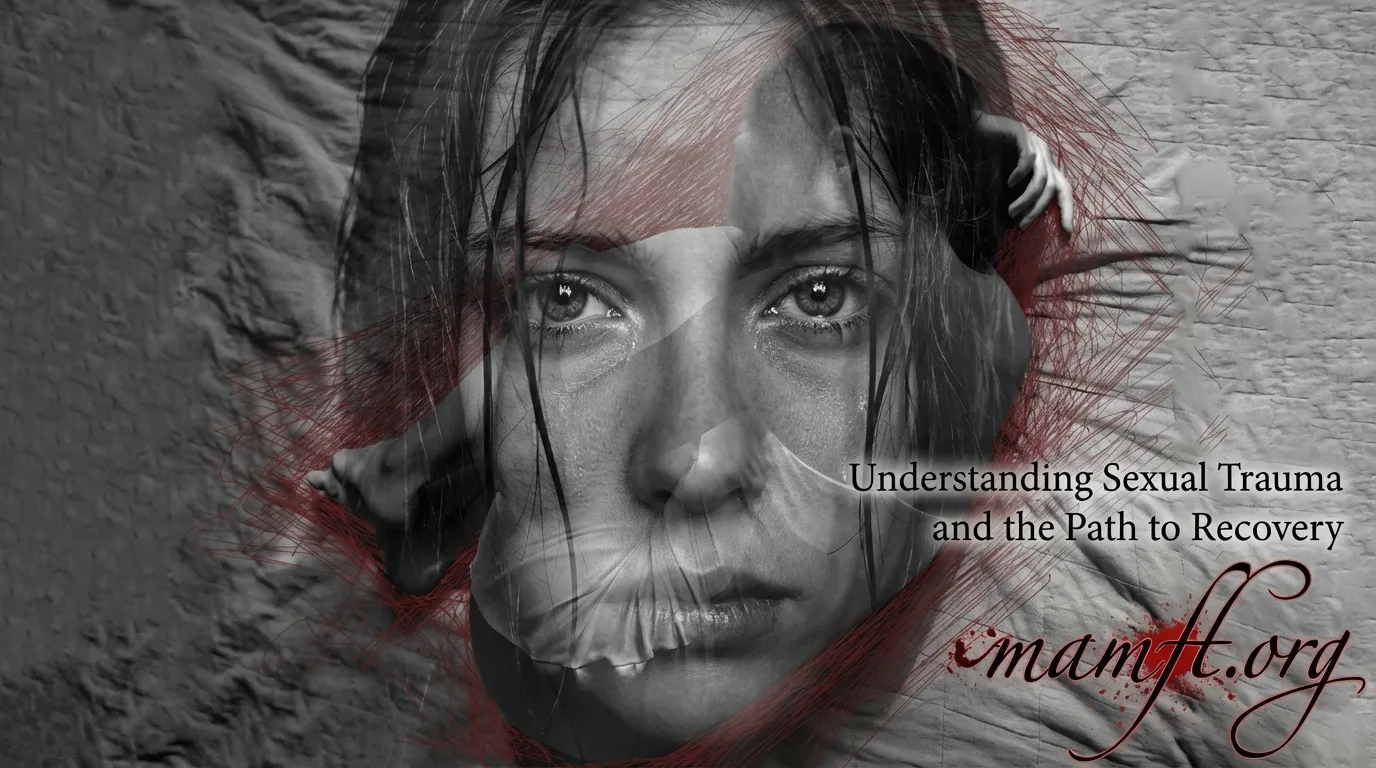
Sexual trauma, is an invisible wound that affects millions of individuals worldwide. Its impact goes far beyond the immediate experience, shaping mental, emotional, and social well-being. For many survivors, the journey toward healing may seem daunting, but with the right strategies and support, recovery is possible.
What is Sexual Trauma?
Sexual trauma occurs when an individual experiences any form of non-consensual sexual activity, ranging from harassment to assault. The aftermath can manifest as post-traumatic stress, anxiety, depression, difficulty forming trusting relationships, and a distorted sense of self-worth. Because sexual trauma is deeply personal, reactions vary widely among survivors. Recognizing the signs early is crucial to seeking timely help.
Common Signs of Sexual Trauma
- Flashbacks or intrusive memories
- Nightmares and sleep disturbances
- Emotional numbness or heightened anxiety
- Difficulty trusting others or forming relationships
- Low self-esteem or feelings of guilt
Emotional and Psychological Impact
The psychological consequences of sexual trauma are often underestimated. Survivors may isolate themselves, struggle with intimacy, or feel overwhelmed by persistent emotional triggers. Understanding that these reactions are natural responses to trauma is the first step toward healing.
Coping with Emotional Challenges
Acknowledging emotions without judgment and seeking validation from trusted individuals can help survivors navigate feelings of shame, fear, or anger. Journaling or mindfulness practices may also reduce stress and increase self-awareness.
Steps Toward Recovery
Recovery from sexual trauma is not linear, but several strategies can help survivors regain control of their lives:
1. Seeking Professional Support
Therapy with a licensed counselor or psychologist is often essential. Trauma-focused cognitive behavioral therapy (CBT) and eye movement desensitization and reprocessing (EMDR) are specialized methods that help survivors process traumatic memories safely.
2. Building a Support Network
Connecting with trusted friends, family, or survivor support groups can significantly alleviate feelings of isolation. Sharing experiences in a safe environment validates emotions and encourages resilience.
3. Practicing Self-Care
Daily practices such as mindfulness, journaling, yoga, or meditation help survivors reconnect with their bodies and minds. Gentle physical activity also releases endorphins, improving mood and reducing stress.
4. Setting Boundaries
Reclaiming personal boundaries is empowering. Survivors are encouraged to communicate their limits clearly, both emotionally and physically, to protect themselves from further harm.
5. Educating Oneself
Knowledge is empowering. Reading about trauma recovery, or attending workshops provides insight into personal experiences and reinforces the belief that healing is possible.
Looking Forward
While the scars of sexual trauma may never completely fade, survivors can lead fulfilling, empowered lives. Recovery involves patience, self-compassion, and access to appropriate resources. By recognizing trauma, seeking support, and actively engaging in healing practices, survivors can regain a sense of agency and hope.
Conclusion
Sexual trauma is a profound challenge, but it does not define the survivor’s future. Through professional guidance, supportive communities, and self-care strategies, healing is achievable. Each small step taken toward recovery reinforces strength and resilience, proving that even the deepest wounds can lead to growth, understanding, and renewed life. coping with sexual trauma.

Leave a Reply